How to Save Money While Studying as an International Student in Australia
With the right habits and strategies, international students in Australia can manage their budgets effectively - and in some cases build meaningful savings - without compromising the quality of their experience.
Studying internationally is a significant financial investment. But with the right habits and strategies, international students in Australia can manage their budgets effectively - and in some cases, build meaningful savings - without compromising the quality of their experience.
Here are the most effective money-saving strategies for international students in Australia.
1. Create and Track a Weekly Budget
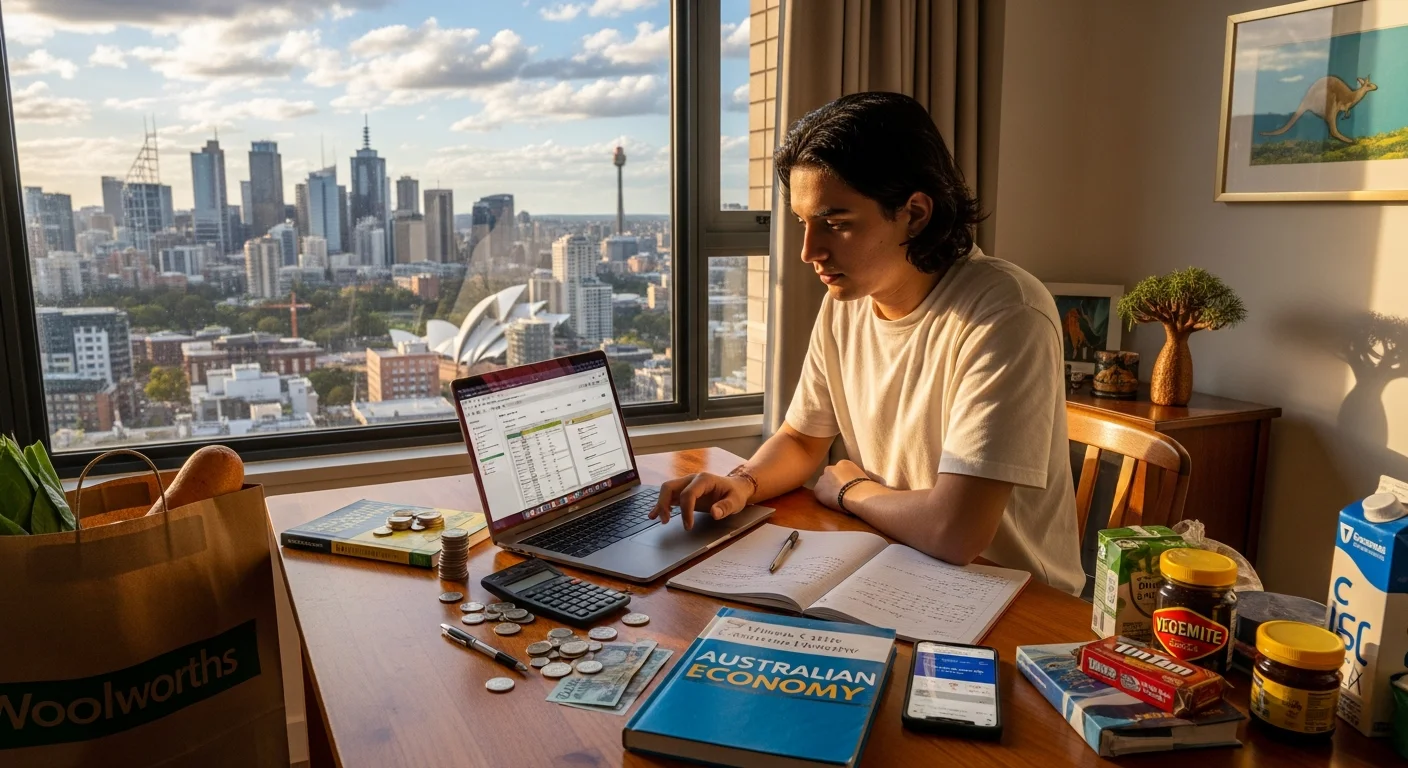
The foundation of financial stability is knowing exactly where your money is going. Divide your total available funds (including any part-time income) across the key spending categories: rent, groceries, transport, course materials, telecommunications, entertainment, and savings. Review this weekly.
Free budgeting apps such as Pocketbook, Frollo, or simply a spreadsheet make tracking simple. The goal is not deprivation - it is awareness. Students who track spending consistently report that the awareness itself reduces unnecessary expenditure.
2. Choose Your Accommodation Wisely
Accommodation is typically the largest single expense for international students. Sharing a house or apartment with two or three housemates substantially reduces per-person rental costs. Living slightly further from the city centre and commuting by public transport is often far cheaper than paying premium for proximity.
On-campus accommodation is convenient and all-inclusive, but it tends to cost more per week. If you choose on-campus housing for your first semester to ease the transition, plan to explore shared rental arrangements for subsequent semesters once you know the city.
Want to make your Australian study budget go further?
Our advisers help you find the right course and city for your financial goals.
Food is one of the areas where students most consistently overspend. Regular café meals and takeaway add up rapidly in Australia, where food service costs are high. Cooking at home - even simple meals - saves considerable money over a semester.
Buy staples at budget supermarkets such as Aldi or Lidl where available, and shop at Asian or Indian grocery stores for cheaper rice, lentils, spices, and vegetables. Markets on weekends often sell fresh produce at significantly lower prices than supermarkets.
4. Use Student Discounts Consistently
Australia has a well-developed culture of student discounts. Your student ID or an International Student Identity Card (ISIC) can provide meaningful savings on public transport (Opal, Myki, or equivalent cards offer concession rates), cinemas, museums, software subscriptions, gym memberships, and hundreds of retail stores.
The habit of asking "do you have a student rate?" before paying full price costs nothing and consistently delivers savings.
5. Maximise Free Resources at Your Institution
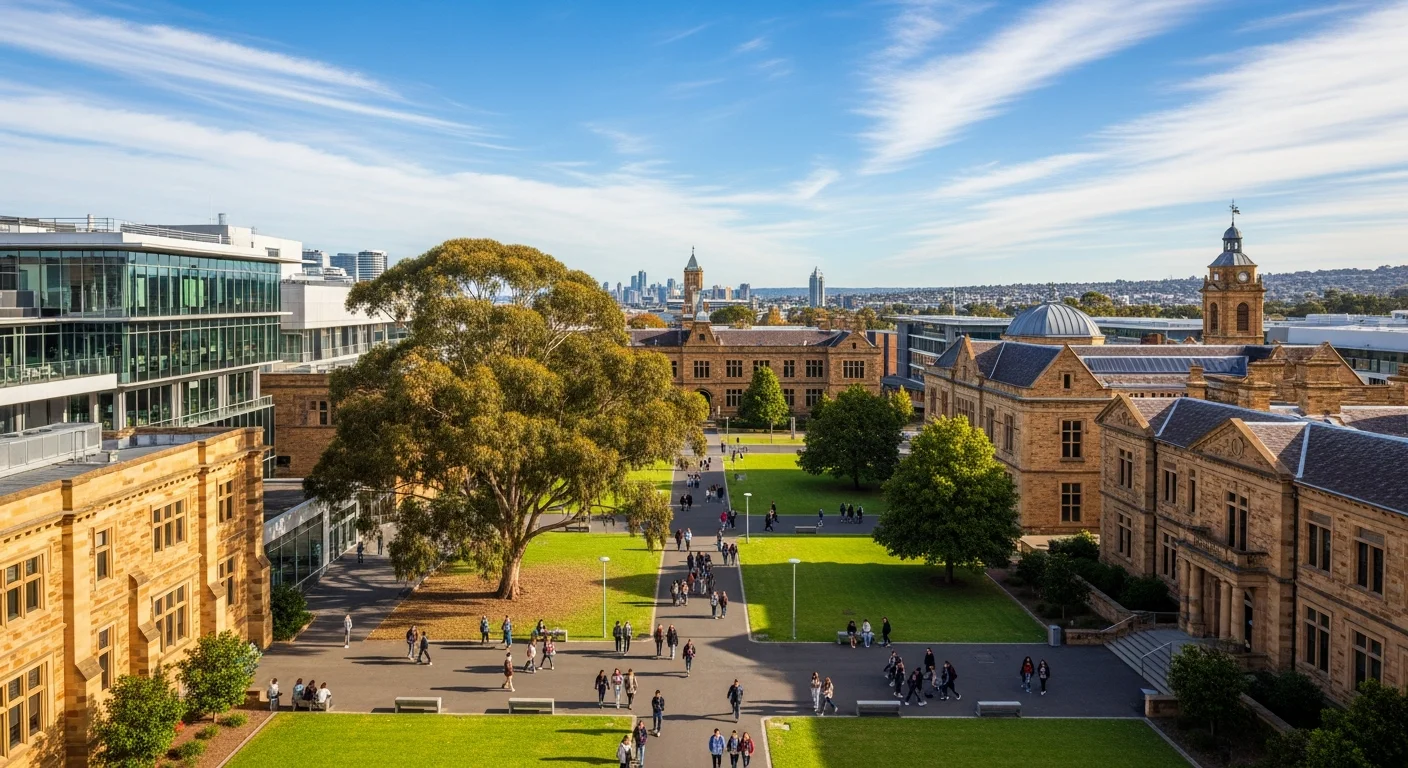
Your university or TAFE fees include access to an enormous range of free resources that many students underutilise: library books, academic journals, software licenses, counselling services, fitness facilities, and careers support. Using these instead of purchasing private alternatives adds up to hundreds of dollars in annual savings.
Plan your Australian study finances with expert guidance.
Book a free consultation with Active Study Australia today.
Part-time work is not just about income - it is about gaining Australian work experience that makes you more employable and builds points for your PR application. Choose part-time roles in sectors relevant to your career goals rather than simply the most convenient option.
Retail and hospitality roles pay well in Australia due to award wages and penalty rates. Even if these are not in your career field, they develop the soft skills and workplace experience that Australian employers value.
7. Plan Your Tax Return
International students who earn income in Australia are required to lodge a tax return each year (Australian financial year ends June 30). Many students overpay tax during the year and are entitled to a refund - which can be a meaningful lump sum. Use the ATO's myTax system or a registered tax agent to lodge your return promptly after June 30.
Active Study Australia Can Help You Plan
Choosing the right city and institution affects your cost of living significantly. Perth and Adelaide, for example, are materially more affordable than Sydney. Our advisers factor financial considerations into course recommendations - contact us for a free consultation.
I have received my student visa subclass 500 and I am so delighted, I would like to sincerely thank Mr. Ray Monaz and Ms. Dayana for their outstanding support and guidance throughout my student visa process. From the very beginning, they were professional, patient, and extremely knowledgeable about…
malika nath
Unmatched attention to detail and patience
My experience with Active Study has been extremely helpful. My agent Ray had been extremely patient with figuring out the details for my student visa over the course of a few months to put together the best application that got approved straight away! The level of detail and thought they put into it…
Surfer Tim
Hands on agents made me a priority
I chose to work with Active Study on my visa and school applications, after I saw the great reviews they had on social media and it was all very true indeed. In the time they helped me, I had Marcella and Danny who were hands on agents! Marcella always made me a main priority and helped me understan…
Romijin Pieters
Achieved family visa after five years
I highly recommend Active Study. I am from Sri Lanka. They helped me with our visas (student plus dependent) which I tried for five years and many agents failed me but Active Study team helped me throughout the process providing all support and guidance. Special thanks to Mr. Joy and Mr. Ray for res…
Yashoda Rodrigo
Quality and efficiency pays off in achieving goals
Highly recommend for aspiring students, wouldn't be in Australia today without their immense support! The guidance and patience throughout is impeccable, yes there is a fee for their work but the quality and efficiency pays off in achieving your goal. Thank you to Ray and Dana, as well as the whole…
Evelyn Evans
Visa granted just weeks after applying
I was recommended this company by a friend for my next step in studying in Australia, and I can honestly say it was the best choice. The support from Ray was especially outstanding, he was efficient, available, and precise. My visa was granted just a few weeks after applying. I couldn't recommend th…
Alexiana
Professional team helped find course and visa
Active Study helped me find a study place and preferred course in Australia and also assisted me in obtaining my student visa. They are a professional team. They did a good job.
Awil Muhiyadin
Smooth and straightforward visa application process
Active Study have been sooo helpful to work with during my visa application! The whole process went so smoothly, everything was easy to understand and just so straight forward. I would really recommend Active Study!
Ciara Mcdermott
Clear guidance and quick replies throughout
Great experience with Active Study. Ray was a tremendous help as well as Joe early on. Everything was clear what I needed to do and quick to reply to questions. Highly recommend.
George ratcliffe
Genuinely cares and guides every step
I had an amazing experience with Active Study Australia throughout my university application process. As an international student preparing to move to Australia, I had so many questions and concerns, but they made everything so much easier. They guided me through every step, provided great advice, a…
Reyam H
Made my dream come true with professionalism
Thank you so much Active Study for making my dream come true, it means the world to me! Joe welcomed me so warmly and made my start so positive and optimistic. Angelica supported me wonderfully throughout the whole process with her advice, patience, persistence, reliability and professionalism. I al…
D. Nicki
Made impossible Australian study dream achievable
I was interested in studying in Australia but had no idea where to start and it would be very difficult with how busy I am. My mom had helped me and found Active Study. Without their help, I don't believe I would have been able to achieve my goal of studying in Australia. Their service is excellent…
Darrel Doyle
Student visa processed in less than a week
I'm so excited to share the good news God has made through Active Study Australia. They processed my student visa with less than a week. I was granted student visa within a short period. I encourage anyone who want to change visa or student visa.
petronila pmajige
Wonderful service for generous hearted students
It has been a wonderful time to work with Active Study, I recommend it to anyone with a generous heart.
isaac kibichii
Outstanding service made studies possible
Active Study has been really helpful for my student visa journey and made it possible for me to continue my studies. Their service is outstanding. Thank you to Ray and Active Study team for your patience and amazing services. It might be taking a while for my visa to get approved as per migration ch…
Yolanda Sumual
Smooth and seamless visa application process
It has been an absolute pleasure working with Active Study! Their team supported me throughout the entire visa application process, from the initial steps to the moment I received my visa grant. A special thank you to Aryo, Monica, Angelica, Manuel, and the rest of the team for their unwavering dedi…
Lianne Vili
Quick action when running out of time
First Dayana, and later Ray, helped me with my student visa application. Both showed incredible effort, responsiveness, and care, especially with their quick actions when I was running out of time. I'm truly grateful for the support I received and so glad I chose Active Study. Dayana, Ray, and the r…
Esin Akkartal
Quick replies and professional visa help
Active Study helped me get my student visa. They are always quick to respond and stay in touch regularly throughout the process. I had the initial consultation over the phone with Dayana, she was very good with the follow up, over the phone as well as email. Once we started the visa application proc…
Rob Arnold Bik
Visa granted earlier than expected
My experience with Active Study Australia was so amazing compared to my past agents. I was thrilled by how fast and steadfast the entire process went. At first I was worried that my visa application would take a long time to be finalised due to the changes in processing times as declared by immigrat…
Patience M.
Expert guidance made everything hassle free
I would like to extend my heartfelt thanks to the amazing team at Active Study and especially to my agent, Rayhan. From start to finish, the process was made so much easier with their expert guidance and advice. Rayhan was always available to assist me, making everything incredibly efficient and has…
Peter Stegmann
Excellent support through multiple plan changes
I've been receiving support and advice from Ray for some time now, and I'm truly satisfied and enthusiastic about Active Study. Despite several changes to my plan, I've always received excellent support, and Ray has always been very responsive to my questions and requests. I highly recommend Active…
Philipp
Made impossible visa dream a reality
I'm thrilled to share that I've successfully obtained my Student Visa (Subclass 500), a milestone I once thought was out of reach. Despite challenges such as being overage and a previous visa rejection, the incredible team at Active Study made this possible. I am deeply grateful to the entire team f…
Gurung Kalpana
Helpful team every step of the journey
What an amazing experience with the Active Study Team, especially Helen and Angelica. They were so helpful on my journey to obtaining my visa, and just a massive thanks to them. They were there every step of the way and just a massive help overall. To whoever sees this, I recommend Helen, Angelica,…
Jordan Kaplan
Secured admission within just one day
Active Study has been an invaluable support throughout my journey as an international student in Australia. Although it's a bit late, I wanted to express my heartfelt gratitude and share my positive experience with their services. I cannot thank Active Study enough for their exceptional efforts in a…
pooja soni
Constant updates throughout application stages
Angelica from Active Study was very informative throughout the entire process and constantly provided us with updates regarding the different stages of our application. It has been a pleasure to work with Active Study and definitely recommend them to international students wanting to study in Austra…
Caity Klopper
Nice, patient and quick to respond
I found Active Study online and they have been a big help for me, very nice and patient and quick to respond. I had Dayana and Ray by my side and they have been nothing but great. Very professional, understanding, I would recommend!!
NNo Tman
On top of the matter with quick response
I had a fantastic experience with Active Study and my agent Ray. They really are on top of the matter and also very supportive with a quick reaction time. Can only recommend to everybody planning on studying in Australia.
Lars Westmeier
Expert guidance made the process stress free
Ray and his team were amazing! From start to finish, they provided expert guidance, clear communication, and outstanding support. In just one day they gave me all the options and tried to find the best for me. They made the whole process smooth and stress-free. Highly recommend their services!
luchi FP
Felt cared for like family
I got in touch with Active Study Australia almost three months ago and I wasn't hundred percent sure of what to do and where to go in order to follow my dreams and projects for the future. Today my student visa is granted and I finally have a plan! Every step of the process has been perfectly explai…
Beatrice Foti
Detailed GS statement got visa granted quickly
I applied for a student visa with this agency, converting from a TR visa onshore when it was discouraged or risky to do so, when the new policies were just announced. However, everything was handled relatively quickly and smoothly, the GS statement was incredibly detailed, and the visa was lodged ju…
William A
Helped me chase higher education abroad
I couldn't be more pleased with all the help I've got from the Active Study crew which made my student visa application very easy and straightforward from the very beginning, thanks to you guys I will be able to go back and study in Australia again, but now chasing a higher education, special thanks…
Gustavo Braga
Hands on with all concerns
Active Study Australia was recommended by my cousin, which was initially suggested by my uncle. I've trusted their recommendation, and engaging with this agency was the best decision I've ever made. They are well organised in how they are going to assist me. They make sure I feel comfortable and wel…
Judelyn Atupan
All hard work handled by the team
My experience with Active Study Australia was great. The team together with Marcella were very helpful and supportive during the entire process. All the hard work was done by Marcella and the team I just provided my documents and sat back and relaxed. Marcella was very responsive with prompt actions…
Sangita Lata
Personalised file with full course details
I chose Active Study Australia to help me choose a university course as well as handling my visa process. And I can't help but be so thankful I chose them. They have been absolutely amazing from the very first consultation until the end. They gave me great advice and answered all of the questions I'…
Karmen Chan
Invaluable support for parents of students
Marcella at Active Study has been an invaluable source of support and knowledge throughout our journey as parents of an international student. Her prompt responses and the kindness she extended to us while navigating this often-overwhelming process were exceptional. Thanks to her guidance, our son w…
Wonita Stirk
Got visa just on time
Ray was very kind and understanding, he explained things very well and everything went very smoothly. I got my student visa! I'd recommend this agency because they're very responsive and even though I contacted them late, I was able to get my visa just on time. Thanks.
Lena Bruyere
Handled complicated case smoothly
I had an incredible experience with Active Study Australia during my visa process. My case was highly complicated because I changed my course and university. They handled everything very smoothly. They helped me choose a course as well as handling my visa process. I got my new student visa on 22/06/…
Sagar Dey
Visa granted in less than 24 hours
My agent did a great job! She helped me for all the process of the application with quick answers and good advice. My visa has been granted in less than 24 hours! Thanks Angelica!
Sandy Rochat
Made everything seem simple and straightforward
When I first started my journey of getting an Australian student visa I had no idea where to start and felt overwhelmed, but after contacting Active Study Australia they helped me with the process step by step, they made everything seem simple and straightforward. My agent Desy was kind and always o…
Linus Linus
Visa granted in just 7 days
I am very grateful with the Active Study Australia agents and staff who have shown excellent effort and kindness during my visa application. Especial mention to Dena and Patricia, who I worked closely with, are understanding, dedicated, responsive and helpful all throughout the process. Both of them…
Kathrina Gumban
Second visa with amazing kind team
This is our second visa with the Active Study. They have been amazing and kind team that supports international students way through each process. They are prompt, available whenever you need them and give assurance and emotional support during anxious moments. We are glad we got to know and work wi…
Lucie Ritchie
Kind and understanding agents through the process
The best agent, they are very kind, understanding and supportive throughout the process of my visa application.
Mr D Mr
Customer service exceeded all expectations
I recently had the pleasure of working with the staff at Active Study Australia, and I have to say that they exceeded my expectations in every way. Their customer service was top-notch, with a level of helpfulness and responsiveness that made the entire process of studying abroad feel much less daun…
Scottie Yip
Detailed documents got visa approved same day
My experience with Active Study Australia has been a really positive and pleasant one from the get-go. Aryo, who responded to my inquiry, addressed all my questions well, and was efficient in putting together a list of course options and provided good advice. Regina, who later took over the enrolmen…
Kenzie H
Friendly efficient help for grandson studies
Active Study are very professional. I enquired at first about my grandson finding the best course for him to study to achieve his goals for the future, they then helped us through the entire process of choosing the best course and enrolling and assisted in his visa application too. Every query we ha…
Wendy Goulding
More than an agency with never ending support
Active Study Australia helped me from the beginning of my Australian journey. From being a tourist then applying for student visa. They assisted and guided me all the way, they are more than an agency. Always there when you have questions and ready to answer. A never ending support especially to Reg…
Lui B
Helped file complex visa in three weeks
Extremely helpful from the beginning till the end. They took care of everything and did a fantastic job. I highly recommend this to anyone who is trying to study in Australia. My visa wasn't the easiest one due to the short amount of time I had available, they helped me file my visa within 3-4 weeks…
Tanvi Tandale
Authentic professional advice with friendly approach
Active Study Australia has been of great assistance to me and provides excellent service. I'm grateful to Ms. Hena and Ms. Patricia, as well as the rest of the team. They provide professional advice while remaining genuinely friendly. The entire process was smooth, and I can't believe my SV surprise…
Brise
Made overwhelming application very straightforward
Active Study was recommended to me by a friend, and I am so glad that she did. They were professional from start to finish, made what seemed like a very overwhelming application process very straightforward, helped with every step of the way and was very easy to get a hold of and communicate with. T…
Gabrielle Ignacio
Made dream come true with excellent service
We would just like to thank Active Study for their excellent service, starting with Patrick that discussed with us to Angelica that guided us through the process. Excellent service. God bless you all for making this a dream come true.
Ryan John Klopper
Friendly staff and cooperative visa experts
If you are looking for Australian visa, I recommend Active Study Australia. They lodged my brother study visa and did their due diligence in making sure that we had the support we needed due to his complicated circumstances. They made sure to communicate with us during the entire process and answere…
Kartik Kadiyan
New visa secured in less than 24 hours
I had a great experience with them! They assisted me throughout my student visa process with great expertise and efficiency. Thanks to their help and guidance I was able to get my new visa in less than 24 hours. I would especially like to thank Desy, Kencana and Dena for following me. I highly recom…
Michelangelo Caglia
Honest professional and transparent service
Choosing Active Study was one of the best decisions I made in my life. From my very first conversation with them till the end of the process, they have been very honest, professional and transparent. After speaking to multiple agents, Active Study particularly stood out because of the exceptional cu…
Kavitha Vijayaraj
Exceptional support friendly approach for visa
Exceptional Support for My Visa Journey, 5 Stars! I had an incredible experience with Active Study Australia, and Patricia W deserves all the praise for her exceptional support during my visa process. I was initially overwhelmed, but Patricia's expertise and friendly approach put me at ease. Her ext…
Alessa Grimm
Miracle work navigating student journey safely
Active Study has been an absolute godsend through the entire process of becoming a student in Australia. They are monumental in their ability to assist you with a large array of needs pertaining to your study and stay in Australia. I've been through a few of their agents through the years and after…
Dmitry Chernyavsky
Personalised service with extraordinary kindness
I recently had the pleasure of working with Active Study Australia for my study application, and I can confidently say that they are the best immigration agency in the industry. Before coming across Active Study, I had reached out to several different agencies for consultation regarding studying in…
Sam Lee
Visa magic with unfavourable last minute case
My case was highly unfavourable. Active Study did their magic with my visa application, Marcella handled everything professionally while patient with me considering that it was a last minute move. I love how they guided me with the important documents I submitted that helped with my visa approval. I…
SMK
Smooth journey from student to graduate visa
I would like to express my heartfelt gratitude to Marcella and James at Active Study for their incredible support throughout my entire journey from student visa to graduate visa. Their expertise, professionalism, and dedication made the entire process smooth and stress-free. Marcella was always avai…
Ashish Kotadiya
Made the impossible possible for family
I had the pleasure of using Active Study Australia to apply for a visa for my brother in law. Regina, who managed our case, was a true pleasure to work with. All the information we needed to provide, questions we had, phone calls, emails, EVERYTHING, was answered and dealt with efficiently and in th…
Lesharne Logotheti
Dedicated hardworking agents got visa quickly
I discovered Active Australia through my sister. I only tried to inquire about Australian student visas, and next thing I knew, my student visa had been granted. I am very thankful to my agent, Chrisna, who has been helping me all throughout the process. She is very dedicated and hardworking. She al…
Patricia Mioten
Visa approved in 5 weeks across time zones
Extremely helpful from the beginning till the end. Helped me and my fiance to get on my student visa. They took care of everything and did a fantastic job. I highly recommend this to anyone who is trying to study in Australia. Chrisna was super helpful and very responsive even with our 13 hour time…
Hayden Pk
Easily contactable knowledgeable professional team
Active Study walked with me on a journey to assist with the applying and enrolling processes to a higher education institution and made my part of it very easy. Furthermore they applied for a student visa on my behalf and handled it professionally ensuring all steps were covered. They were easily co…
Jordan Chan
Gained a friend for life through process
Studying in another country is not an easy task, this is true most especially for those coming from not so well off countries. But Active Study has helped me a lot. The process was easier than I expected and hassle free. During my journey, I personally want to thank Regina, my migration agent, who w…
Aika Padilla
Quick to reply professional from start to finish
Fantastic service from Active Study! Just received my student visa which they helped me through from start to finish. They were very professional and quick to reply if I had any questions or issues. I highly recommend!
Craig Sturrock
Trustworthy team helped entire family visa
Finally our family visa have been granted, amazing job team! The staff was incredibly welcoming and helpful, trustworthy, keep up the good work and for all of you who wants study in Australia don't hesitate using Active Study Australia services. Once again we deeply appreciate to Hena Sari, Regina H…
Fina Dewi
Three week tight timeline visa granted
I cannot recommend Active Study Australia enough for your visa application process. I decided to work with Active Study, instead of doing the visa process on my own, as I was under a tight time-constraint, and felt very overwhelmed reading about the process on Immigration's website. Every step of th…
taylor sander
Friendly communicative organised from start to finish
The team at Active Study was extremely helpful in helping me secure my student visa. There were friendly, communicative and organised from start to finish. Ray and Dayana walked me through the process seamlessly.
Kate King
Visa granted in one month from contact
I recently had the pleasure of working with Active Study Australia as a Canadian student planning to study in Australia. From the moment I reached out to them, I knew that I was in good hands. Hena and Andjani were incredibly knowledgeable and supportive throughout the entire process, and I could no…
Tyler
Reliable patient team gave great advice
They have a reliable team and very supportive. They are patient with you during the process and advice promptly and accordingly. They are very friendly too. It was my first try to do my student visa with them and I am so happy I chose this agency! However, they don't assist with itineraries for the…
Jayne Vanessa
Achieved Australian student dream successfully
This is the place that change my life. I pleased to tell this is the one of the best place to achieve your dream. I was really fed up with my student visa after met some local agencies in my home country. In that time, fortunately I met Active Study through Google and I started communicating with th…
Senani Soysa
Granted student visa and family approved
Hi Active Study teams, yesterday 13/11/2023 my student visa and for my family have been granted, after a long period of process, documentation, fund, etc. I will highly recommend Active Study if anyone wants to come study in Australia. I would like to thank first of all Mrs. Dena Krisna for giving u…
Taf Nuju
Quick responses and alternative solutions
All the team that handled my application has been so approachable and helpful. They made my student visa application smooth. They give response to my concerns quickly. They would even give alternative solutions on the difficulties I have encountered. I would definitely refer Active Study Australia t…
Jelyn Herman
Made improbable visa task happen
James and his team took the stress of my sister's visa application away, they were always happy to clarify things and made a seemingly improbable task happen. We definitely feel a sense of belonging with Active Study Australia and look forward to working with them as my sister embarks on her student…
Samukelisiwe Banda
Emotionally and professionally invested in cases
I can't thank enough to Active Study for my visa application I would highly recommend Active Study Australia to all students because they are committed to providing the best quality service. They were both emotionally and professionally invested in my case till the very end. They respect your feelin…
Shilta Shivani Singh
Exceptional service for daughter's visa journey
Wow Active Study!! Your service quality was truly exceptional. I can not thank them enough. My daughters journey has been a breeze from them looking for a college, choosing the best course suited for my daughter, enrolment and visa. You made everything so easy and bearable. We got our visa with no h…
Martha Nyathi
Trusted team for visa with closed eyes
I am very grateful to the whole Active Study group for all the support I have received during my visa application process. A very special thanks to Desy Yudiantari for being patient and actively helped me throughout the process. I was successful in getting my Student Visa and the credit goes to Jame…
Sush Kaur
Best service ever experienced for visa
When I started to send out emails with description of my situation and my study plans, most of the migration agents and educational consultants did not even bother to reply. The ones that replied has refused to help me out. Active Study and particularly James McNess, Scott Walker and Marcella had be…
Barbora Silhova
Helpful friendly responsive staff
The staff at Active Study Aus were so helpful, friendly and extremely responsive. They helped me through every step of my course application, as well as the student visa application. They were very quick to respond to my emails and were available via phone when this was the most effective means of c…
Sarah Goring
Very satisfied with organised supportive guys
Very satisfied with the service, everything was very well organised, I felt very supported by the guys! Thank you!
Anastasiya Behmenburg
Made dream of studying Australia true
Active Study Australia are very helpful and reliable they have played a big role in my life by helping me out throughout the process of my student visa to study in Australia and made sure it was granted as they promised. They have made my dream come true and for that I really want to thank you, and…
Rommie Banda
Brilliant agent making search and apply easier
I was impressed that they made a list of all possible school options to find out what is right for me to choose. The way how Active Study supported me was absolutely brilliant and much easier than searching or applying by myself. Not only did they just help me they also congrats me through the phone…
Ass Brut
Extremely friendly and helpful staff for queries
It was amazing, working along with Active Study. The staff is extremely friendly and helpful. No matter how many times you question them they're always there for you to answer them even. No matter if your doubt is personal or related to the course, visa or anything Active Study is there to help you!…
Shakshi
Dedication and after service support
I appreciate Active Study very much because of their dedication on their services. They extend their help with their highest capacity in order for you to understand and get an answer to your inquiries. What I love the most of them is their after service support where in, if you're already enrolled,…
Jeoffrey Palangdao
Accommodating to all needs through process
I highly recommend Active Study Australia! I found myself in a difficult situation visa wise and I had the opportunity of getting in contact with James! He has been extremely helpful since day number 1. Him and Lissa and the rest of the team walked me through all the visa process, they have been so…
cla mar
Supported student journey making process easy
Active Study has continuously supported me throughout my journey as a student in Australia! I can't thank them enough!! They helped me choose the right institution and advised me about every question that I possibly had. If you're wondering what or where to study and know all the options or possibil…
Ivana D
Attentive professional agents helped quality colleges
Active Study Australia has attentive and professional agents. Especially Dena Khrisna she is so patient and understanding even though I was not sure whether to use an agency or not. Dena help me with several options for good quality colleges with affordable fees. List of required documents and since…
Nova Warini
Fantastic and really helped through the process
Active Study were fantastic and really helped me out through the whole process.
J Shaw
Incredible support and prompt assistance
I can't express my gratitude to Chrisna and the entire Active Study Australia team enough for their incredible support and assistance. They have guided me throughout and promptly responded to all of my questions. Wonderful experience and fantastic service. I'd heartily suggest using their services.…
Keloha Vakasilimi-Holder
Reliable support for PR journey
I'm so glad I got in touch with Active Study Australia, they handled everything professionally. The dedication you have put in and your support through several months has helped me feel more confident in my journey to get PR in Australia. You have become like a friend to me and I know I can rely on…
M P
Hardworking empathetic agent fulfilled dream
My first consultation with James convinced me to go ahead with Active Study as an education consultant. I am so glad I chose them. I was then assigned to Chrisna as my study consultant who took care of the entire process from enrolment to visa. She is a hardworking dedicated individual who perfectly…
Elvin Easo
Best team honest passionate about clients
Active Study Team, Ina, James and Marcella, excellent team. We spoke to a few agents before we selected them and the best team was Active Study (Ina, James, Marcella). Ina was our entry point, initial consultation. James is their expert who knows inside out and you can trust what he says. They will…
Nali A
Tailored plan for career and future
I would highly recommend Active Study Australia to all students because they are committed to providing the best quality service. They were both emotionally and professionally invested in my case till the very end. They value your needs and tailor a plan that best suits your career choice and future…
Olivia Athanassios
Top notch service from the bottom of heart
For the purpose of my studies in Australia, I was assisted by Active Study and they were amazing. Patricia and Shenika went above and beyond to help me. The service is a top-notch one I definitely recommend them. They are the best. I would like to thank them from the bottom of my heart for their hel…
Marie Juanita Poinen Dobras
Saved me with perfect timely solution
I am a very busy person in life so I rarely get to do reviews, and in fact, can hardly ever be bothered. However, on this occasion I must. Active Study have been most probably the most efficient, speedy and effective that I have come across in all of my time in Australia and their professionalism is…
Martin Jordan
Helpful and informative with everything I needed
Ms. Marcella and Ms. Dayana from Active Study Australia have been a great help during my process to apply for student visa as well as applying to study in Australia. They have been very helpful and informative with everything I need to know and do in order to achieve the student visa. I would recomm…
Janet Alethea
Wonderful work helping niece obtain visa
I can't thank James and Amelia enough for the wonderful work they did in helping my niece obtain a student visa. This was a very stressful situation for us and the visa system isn't something I am familiar with. Right from the start James has kept us informed of all of the processes and been very su…
Kelly Cama
Saved me from returning home hopelessly
Because of their amazing service, I would strongly recommend Active Study. They're upfront and honest, constantly willing to assist, and really accommodating. I'll never forget the critical circumstance I was in just a year ago in November 2021, when my visa was about to expire and my only alternati…
Jerome Maculi
Professional with personal touch from start
I highly recommend Active Study Australia to any international student or parent of a student wanting to study in Australia. Our consultant, Chrisna Fadillah has gone above and beyond in assisting us with our application, every step of the way. Active Study is highly professional but with a personal…
Ria Callaghan
Professional support throughout whole process
I can only recommend the service of Active Study Australia! You are professionally accompanied and supported throughout the whole process, from the decision to study to the study itself. You always get an answer to all your questions within a very short time. I feel very well taken care of and have…
Pia Scholz
Helped persue dream of higher education
As an international student struggling with so many challenges and almost give up, I came to know Active Study Australia. They help me in every foot steps to gain confidence and keep moving forward to pursue my dream of getting a higher education here in Australia. Working with Active Study Australi…
Sione Penitoni
Made the process super smooth and easy
I can still remember how anxious I was thinking about the whole process of getting on my own visa. I researched a lot of potential agents who I would go to for help and was sceptical of most of them as I was afraid that it would all be a scam as I heard quite a few horror stories about people gettin…
Asavari Singh
Patient professional advisors for visa application
Thanks to the team of Active Study Australia for their professional knowledge, patience and efforts to assist on my student visa application especially Chrisna Fadillah and Dena Krisna. They are very patient and able to answer my queries and give me professional advices. Really appreciate it. I'm st…
Racheal Tan
Hardworking officers assisted all the way
Finally got my student visa today. Active Study assisted me all the way from issuing of CoE, visa lodging and health cover. Thanks to all the hard working officers who assisted me, Rahan being the latest case officer.
GUMASA ARIO
Quick responsible trustworthy support
It's pleasure to involve Active Study Australia. Their support was very quick, responsible, trustworthy experience. Very special thanks to Dayana, James and Marcella. They took seriously about our need and did their job on time. I would highly recommend their services. Thank you Active Study Austral…
J Poornima
Amazing support all questions answered promptly
I couldn't thank the Active Study Australia team enough, especially Marcella for your amazing support and help. All my questions are answered promptly and they have guided me throughout. Great experience and amazing service! I would highly recommend their services. Very professional and extremely su…
Cynthia Jossie
Helpful patient with every step
So helpful and patient with every step. Thank you for making all the efforts possible and having a successful outcome.
Happiness Majige
Friendly professional ongoing services
Active Migration was recommended to me by several people and I'm happy they did. My visa application went smooth because of the advice, support, knowledge and experience of James at Active Migration. Even though it has been over a year ago since my visa has been granted they are still there to answe…
Farrah Vranken
Responsive coordinated knows how to go
I must really thank Active Study Australia for their help in getting my visa. They are very responsive, coordinated and clearly know how to go about with their works, and giving regularly updates to me during the application of my visa.
LAW CHOON HOCK
Prompt service competent polite patient
Active Study Australia has given me a prompt service on the student visa application. I must comment on James and Lizza for their outstanding contributions to my daughters visa and recommending the right courses for my daughter. James and Lizza are competent staff for Active Study Australia Migratio…
G E
Top notched highly recommended for de facto visa
Thank you so much Active Study most especially Ms. Shenika and Ms. Ulfi, gathering all the requirements for our student visa with de facto had been hard and you've been very patient with us. Your services is top notched and highly recommended. Thank you again Active Study may God bless you all and I…
Afif Ailabuni
Constant support and reminders saved me
I am so overwhelmed with the support I have gotten and continue to get from James and Amelia. The constant support and reminders, let alone the extra miles you both have put in for me was unnecessary, but it happened and I am so happy that I chose to stick with AME! Thank you so much for everything,…
leslie latu
Patient encouraging team after many hurdles
Today was a day of joyful tears after my case officer Chrishna called up to advise me of my student visa grant. After so many hurdles and family obligations back home on my part and being over the age of 50, I nearly threw the towel in. I'm so grateful for the staff of Active Study in particular Chr…
Siritoi Seneka
Supportive friendly team prompt responses
I had a very good experience with Active Study Australia. The team is very supportive and friendly. Communication with the team is very easy with prompt responses to all my queries and lots of assistance provided. Thanks to Marcella and Ina who guided me well with so much patience. I am really happy…
sangita lata
Excellent customer service well informed agents
Excellent service providers in terms of my student visa application really thankful to Madam Andjani and Madam Patricia for always providing prompt and useful information throughout the process, fantastic in terms of customer service and very well informed in terms of the service they provide. HIGHL…
Abdul Saaqib
Saved me from total visa depression
As an international student taking everything together is quite hard. My visa status was totally bad and I was totally depressed but thank you for saving me and letting me for another chance to Active Study Australia. If you have any visa issues any problems, I suggest people to choose Active Study…
Binayak Raj kunwar
Big help from start to visa finally
Working with Active Study has really been a big help for me. They have helped me from the start to finally my visa. I can't thank you enough.
Barak Bii
Helped through every step of the way
Very helpful. From start to the end, the team at Active Study has helped me out for the past 6 or 7 months in every step of the way. From finding a course to enrolment and finally visa application. Great knowledge and good work ethics.
Ubaid Mithawalla
Consistently good communicating and supportive
I am so appreciative of the work Active Study have done to ease the pressure of applying for my visa. They have been consistently good at communicating with me and been supportive throughout. Highly recommend.
Felicity
Helpful resourceful agent kept me updated
My agent, Chrisna Fadilla was very helpful and resourceful. She helped me each step of the way, guiding me and explaining to well the application process. Together with her team, they always kept me update on every step of the way. I would recommend to anyone interested to study in Australia.
Mercy Darwin
Best advice and great support throughout
I cannot thank Active Migration especially Chrisna enough for the work done. Throughout the whole process of my student visa I've been updated on everything, when things weren't too clear to me she took the time to explain and to give the best advice on what to do. She has been a great support.
aurelie bernard
Best news ever made dream come true
Wow wow wow, a big thank you to the team of Active Study Australia for giving me the best news ever today, making a dream come true. To James, Marcella and Ina you are the best. Thank you for all your support, assistance and guidance it really means a lot. I really look forward to start my studies h…
Wessel Hanekom
Reliable professional immigration agent service
I highly recommend this team to anyone looking for a reliable and professional immigration agent. Their exceptional service truly sets them apart. Thanks again, to the Active Study Team!
Desirella Natacha
Helped choose university course and visa
I chose Active Study Australia to help me choose a university course as well as handling my visa process. I got my visa granted, thank you for everything I will recommend you to everyone.
Andrej Bundevski
Professional and quick to reply for issues
Fantastic service from Active Study! Just received my student visa which they helped me through from start to finish. They were very professional and quick to reply if I had any questions or issues. I highly recommend!
Craig Sturrock
Helpful invaluable support for visa grant
A big thank you to Helen, Jay, and Active Study for your invaluable support in helping me get my visa granted. I'm truly grateful!
st w
Jumping through hoops made simple
The process of obtaining an Australian visa becomes harder and more complicated each year, making applicants jump through hoops and go through a ridiculous process with a high chance of rejection.
Sivaroobini Kalaimani
Honest professional quality work team
Highly recommend Active Study for the good quality work they provide, very professional, good communication and very honest. I would like to thank the whole team, especially Lissa and James for the amazing job they have done and are still doing. Keep it up guys. God bless you all for the help you ar…
Cedric Trouisquin
Honest super supportive professional answers
I would highly recommend Active Study for the amazing service I have received. They are very honest and super supportive. I had many queries during the process but they were always so professional and helped me to find answers very quickly. Thank you very much Active Study team for all the support!…
Nipuna Jayaweera
Kind professional friendly out of hours
Thank you Active Study Australia, especially big thanks to Lissa Bethania who helped and supported me from beginning. She was so kind and professional, willing to answer all my question even out of working hours. I would recommend this service to everyone worth for money, time and your choice.
Kim Nguyen
Professional supportive friendly visa team
Very professional and supportive. Big thanks to Ray.
Rachel Amic
Passionate hardworking professional team
I came across Active Study online and I can say they are a team of passionate and hardworking professionals. They guided me through the complex processes, provided me with vital information and provided active support which was instrumental to securing my spot in a reputable university in Ireland. I…
fisayo falana
Professional patient with information and queries
James and Amelia was excellent, they answered all my questions and guide me through every step. They went above and beyond to help me, not only did find my course of interest also help me to plan out my study path for the next few years. They are both very professional and very patient in the handli…
Retno Putrii
Helpful with forms and information needed
I cannot recommend highly enough. I had Lissa help me, and I was really worried about applying as I struggle with forms and knowing exactly what is needed. She gave me all the information and helped me to understand what was needed, she always got back to me within a few hours and she really made th…
Ritchie Halton
Wonderful information for visa granted
I got a wonderful information this morning that my student visa is granted. Thank you Active Study, especially to Dayana and Regina who assist me through my student visa application journey!
Ni Luh Melyantini
Efficient reliable professional service
Thanks James Amelia and the entire AME team for your efficiency, reliability and professionalism in addressing my educational needs. Your in depth advice regarding course choice when I was confused and distressed, helped me settle for the right course. I am definitely satisfied with your services an…
diana sokoni
Helpful with visa for past few days
Active Study Australia thank you very much, also shout out to Shenika and Hena for helping me throughout this past few days. Friends if you look for someone to help you out with your visa I recommend Shenika and Hena very helpful.
Haiti Leka
Enrolled course and new visa within days
Highly recommended, my visa was expiring in 3 days but luckily I found Active Study Australia, they got me enrolled the course that I want and applied for my new student visa within 3 days!!
Leonard Yap
Quality service hardwork and support
I would highly recommend Active Study Australia to all students because they are committed to providing the best quality service. Big thanks to Chrisna and the whole team for their hardwork and support.
Eugene Naicker
Well run company putting people first
My experiences with Active Migration Education have been excellent. A well run company, putting the people first which is what you like to see. I would highly recommend AME for anyone looking to study in Australia.
Daniel Deckchair
Hardworking team for small fee
Great experience from the beginning of application until the successful outcome. The assigned agents are available at all time and answers all my queries. The entire team is very hardworking and do much for the very small fee. Thanks to Marcella, Dena, Kencana and Scott.
Aron Darvin
Helpful with right course pathway choice
Highly recommend Active Migration, they were extremely helpful after I was given really bad advice from a previous company. Scott and James talked me through everything. James helped me find the right course pathway. James was very patient, I was really unsure what to do and which course to choose.…
Kerry Sisson
Onshore visa for two dependents approved
Thank you for doing a great job in getting our visa approved (onshore student visa with two dependents) going extra mile to make sure everything was perfect and the entire team has been so friendly and accommodating.
Emelyn Castro
Efficient prompt professional and friendly
I would recommend Active Study Australia 100 times over!!! VERY efficient, prompt, professional and friendly. I knew what was happening every step of the way. This is the team you need in your corner when you start this journey!!
Gert Johann Geyser
Marcella did great to get student visa
Highly recommended, Marcella did really great to get our student visa successfully. Big thanks to all team and James.
Heman Soni
Guided me whenever I needed information
I would like to thanks Angelica and team who helped me all the time and guided me and being available all the time whenever I needed any information and thanks to whole team including Angelica for helping me with my visa application and I had a very nice experience with Active Study and I recommend…
Parbati Thapa
Great outcome straightforward to work with
Great outcome, experience and amazing service. Andjani was straightforward to work with and she was very responsive to all our queries and concerns.
Rinkesh Shah
Process easy seamless visa within hours
Active Study were amazing, they made the process so easy and seamless. My student visa was granted in a few hours and I couldn't be happier!
Alice Jones
Helped with everything wonderful people
This is the most amazing service to use. They helped me with everything and all the people that I worked with was wonderful. I would highly recommend using Active Study Australia.
Emmarin Bierman
Outstanding service answered all questions
Lissa has been amazing, she has answered all my questions, the Active Study Australia has provided me has been outstanding. Would highly recommend using them!
Golf Hackz
Professional assistance at every stage
James and Lissa are professional and provide good assistance in getting visa, by keeping updated and helping out at each stage of the process. Highly recommended.
Saad Sarmad
Patient team supported through visa process
Thank you so much team for helping me for my visa especially Marcella for being so patient with me. Kind regards, Harshini.
Harshini Beeknoo
Researched perfect course with hundreds of questions
A fantastic service, James and Lissa did a lot of research on my behalf in order to find the perfect course for me, always answering promptly my hundreds of emails with questions! Could not recommend highly enough. Thank you so much again!
Jennifer Bonar
Prompt professional team for further education
Very prompt and professional team. I am highly satisfied as my all queries are answered very promptly. I strongly recommend Active Study to all who want to pursue further education from Australia.
Seema
Fantastic team helped with school application visa
The team is freaking fantastic in helping me with my application for school and my visa. 10/10 to the team and especially Lissa that helped me through most of the process.
Walker Rahl
Amazing experience felt very supported
Amazing experience, great team, felt very supported.
Léa Moris
Awesome team great job for international students
Awesome team from Active Study. Really appreciate the great job you been doing. Highly recommend this to international students. Kudos!!
Joseph Singura
World class team thankful we found them
I had an exceptional experience with Active Study. Their team is truly world class and I cannot be more thankful that we found them!
Daniel Mercury
Group answered all questions asked
Many many thanks to Marcella and the whole group of Active Study, especially Marcella who was there to answer any and all questions asked.
Emilija Skoco
Outstanding helpful professional service
Outstanding service! Andjani was extremely helpful and was very professional with responding to all my concerns. 100% recommended this service to all my friends and family.
Tiana Jade Leong
Friendly responsive knowledgeable about visa
Fantastic service, friendly and responsive staff who are very knowledgeable about the international student application and visa process. Highly recommended!
Sarah Goring
Amazing helpful getting student visa
I would highly recommend Active Study Australia they have been so amazing and helpful getting me my student visa can't thank them enough.
amelia G
Helpful with inquiries and updates
Ina was very helpful with my inquiries and updates. These guys are highly recommended.
Rishi Ramgutty
Trusted fascinating Australia study agent
Trusted, fascinating Australia Study Agent in Bali, thank you for your assistance.
Made Emy
Helpful amazing service for Australia students
They can help everyone who want to study in Australia and it's very helpful. Amazing.
Agil Surya7
Trust them blindly to make things work
Just blindly trust them and rest assured that they will make sure everything works out for you. Amazing service.
shashank mandikal
Considerate professional helpful agent
Joe was very considerate, professional and helpful. Recommended.
Bruno
Great experience amazing service nice people
Great experience, amazing service and really nice people to support and help.
Bernadette Burzminski
Awesome friendly highly efficient service
Awesome service, really into what they are doing, friendly and highly efficient.
Roberto Brou
Honest transparent always available
Honest, transparent, and always there!
Evidence Shopera
Super supportive professional visa breeze
Active Study went above and beyond to make my visa process a breeze! Their team was super supportive, professional, and always on hand to answer my questions. They handled everything with care and got my visa approved in no time. Highly recommend them for anyone navigating the Aussie visa process.